Fasting Walnut Strudel
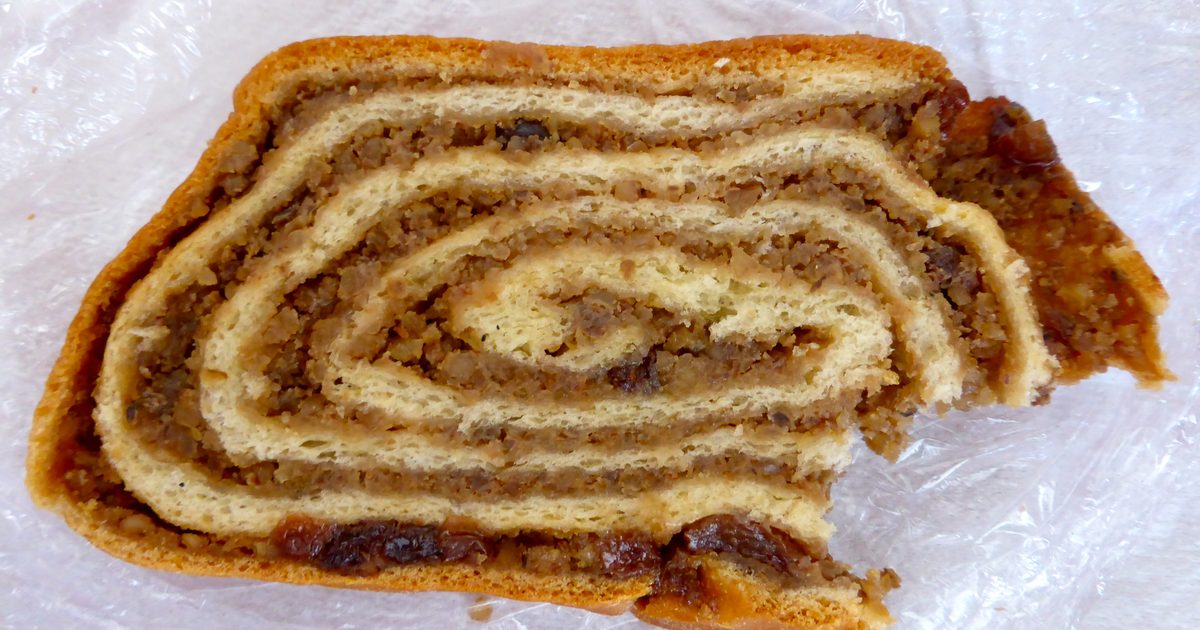
Homemade fasting strudel of hand-stretched dough filled with ground walnuts, honey and cinnamon — a traditional fasting pastry for Slava celebrations.
Prep
40 min
Cook
35 min
Total
90 min
Servings
10
Preparation
1. Kneading and Resting the Dough
Into the sifted flour add the salt and mix. Make a well in the centre. Pour in the oil, then the warm water mixed with vinegar. Begin mixing — first with a fork, then by hand.
Knead vigorously for 8–10 minutes until the dough is smooth, soft and not sticky. The dough should be slightly softer than bread dough — not sticky but not stiff. If it sticks, add flour one tablespoon at a time. If it is too dry and cracking, add a little warm water.
Shape into a ball, brush all over with a little oil, place in a bowl and cover with a clean cloth or cling wrap. Leave to rest in a warm place for at least 30 minutes (ideally 45 minutes to 1 hour). The rest is essential — without it the gluten is tense and the dough will tear when you try to stretch it.
2. Preparing the Walnut Filling
Mix together the ground walnuts, sugar, cinnamon, rum (or orange juice) and finely grated lemon zest. Stir until you have a uniform, slightly moist mixture. The filling should be neither too dry (it will tear the pastry) nor too wet (it will soak through). The consistency should resemble damp sand.
Taste and adjust sugar or cinnamon. The filling can be made up to 24 hours ahead and kept refrigerated.
3. Stretching the Dough — the Key Step
Spread a clean, lightly floured large cloth or tablecloth on the table (at least 80x80 cm). Divide the rested dough into two equal balls.
Place one ball on the floured cloth. Roll out with a rolling pin to about 3–4 mm thick. Then begin hand-stretching: slip your hands (knuckles facing up, fingers tucked) beneath the dough and gently stretch it outward from the centre towards the edges. Rotate the dough and continue stretching on all sides.
The goal is dough so thin you can read newspaper through it — literally. This takes 8–12 minutes of patient, deliberate work. The edges will always be somewhat thicker — this is normal and should be trimmed before rolling.
If it tears: small tears are normal, especially at first. Keep going — the filling will cover them and they won’t be visible in the baked strudel. Never force or tug — work gradually and gently.
4. Filling and Rolling
Brush the stretched dough with a thin layer of oil (with a pastry brush or your fingers). Spread half the walnut filling evenly over the entire surface, leaving a 5 cm border along one long edge (this will be the end of the roll).
Starting from the edge opposite the empty border, lift the cloth and use it to raise the first edge of the dough and fold it over the filling. Continue lifting the cloth to “push” the dough into a roll — the dough folds over itself, aided by the cloth. Roll to the end.
Brush the whole roll with oil. Carefully transfer to a baking tray lined with parchment. The roll can lie straight, slightly curved or in a horseshoe shape. Repeat with the second ball of dough and remaining filling.
5. Baking
Preheat the oven to 180°C (top and bottom heat). Bake the strudels for 30–35 minutes until intensely golden-brown. At the halfway point (around 17 minutes), remove the tray and brush the strudels with oil again — this gives shine and extra crispiness.
The strudel is done when it is golden, crisp to the touch and smells beautifully of toasted walnuts and cinnamon.
6. Cutting and Serving
Leave the strudels to cool at least 20 minutes before cutting — hot strudel cuts poorly and the filling spills out. Cut diagonally into 3–4 cm slices. Dust with icing sugar just before serving (if dusted earlier, moisture from the strudel absorbs the sugar and it disappears).
Tips
Stretching technique: the most traditional Serbian method is stretching on a cloth (as grandmothers did). Key points:
- Use the backs of your hands — knuckles facing up. Fingers are tucked in, not poking through the dough.
- Work from the centre outward in circular motions, as if stretching the dough in all directions.
- Rotate the dough and repeat on the other side.
- Don’t rush — 10 calm minutes is better than 5 frantic ones.
Rum in fasting recipes: rum (ethanol) evaporates completely at baking temperatures above 80°C. It adds aroma without leaving any alcohol in the finished pastry. For a completely safe fasting option, use orange or apple juice instead.
Honey in place of some sugar: for a richer flavour, replace 50 g of sugar with 40 g of honey. Honey is a natural binding agent and gives the filling a stickier, more cohesive character. Honey is permitted in Orthodox fasting (it does not come from warm-blooded animals).
Filling variations: use hazelnuts instead of walnuts for a milder, creamier profile. Mix walnuts with apples for a walnut-apple fasting strudel. Add prunes (chopped) for a rich plum-walnut variation. Poppy seeds instead of walnuts — fasting poppy seed strudel is also traditional in Serbia and Vojvodina.
Storage: strudel keeps at room temperature covered with a cloth (not plastic wrap) for up to 3 days. In the refrigerator for up to 5 days — reheat in the oven for 8 minutes at 170°C. Can be frozen before or after baking.