Fasting Vegetable Pilaf
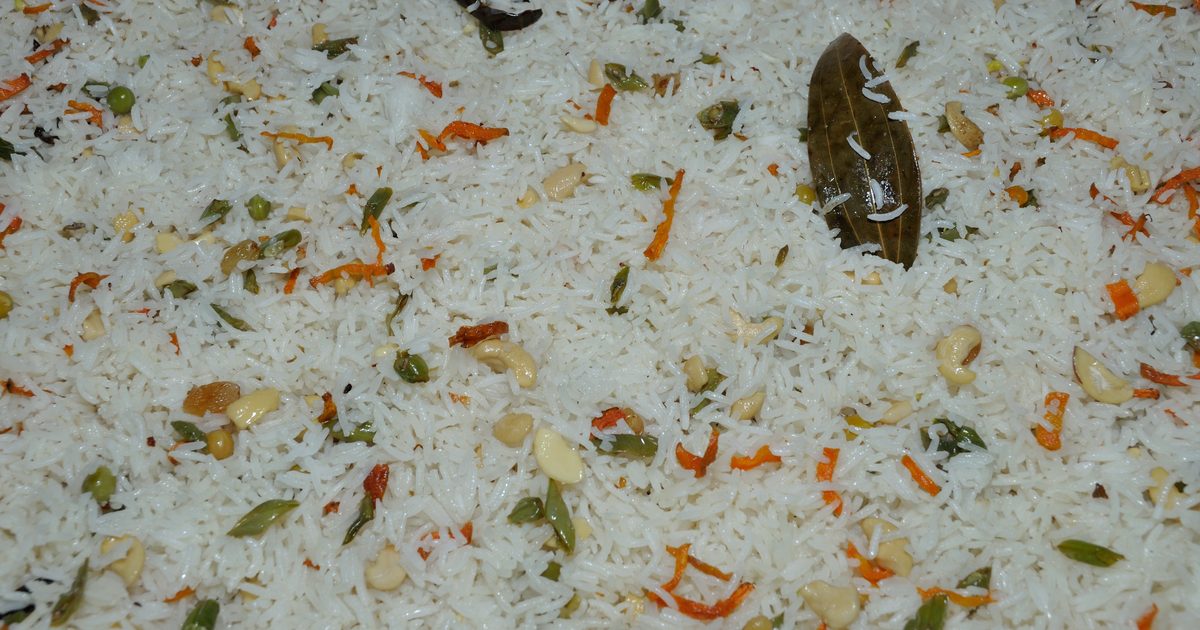
Colourful pilaf with courgette, carrot, peas and pepper — a quick one-pot fasting dish ready in just 35 minutes, ideal for Slava and fasting tables.
Prep
10 min
Cook
25 min
Total
35 min
Servings
4
Preparation
1. Preparing the Rice
Wash the rice in cold water 2–3 times, stirring with your hand, until the water runs almost clear. This rinses off excess starch and makes the rice fluffier. Drain and set aside.
2. Sweating the Onion and Vegetables
In a deep, wide pot or deep frying pan, heat the oil over medium-high heat. Add the finely chopped onion and sweat for 3–4 minutes until softened and translucent. Add the carrot and red pepper and continue cooking for another 3–4 minutes. The vegetables should soften slightly while retaining their colour and shape.
Add the courgette and cook for a further 2–3 minutes. Courgette is softer than carrot so needs less time. Finally, add the turmeric, salt and pepper — stir to distribute the spices evenly.
3. Adding the Rice
Add the rinsed and drained rice directly to the pot with the vegetables. Stir well so every grain of rice is coated in the oil and spices. Fry the rice with the vegetables for 2–3 minutes, stirring — this classic pilaf step ensures the rice does not become sticky and absorbs the flavours properly.
4. Cooking the Pilaf
Pour in the hot water or vegetable stock. The rice-to-liquid ratio is 1:2 (300 g rice = 600 ml liquid). Stir once, taste the liquid and add salt as needed.
Cover the pot, increase the heat to a boil. As soon as it boils, reduce the heat to the lowest setting and cook for 12–15 minutes without removing the lid. This is the most critical step — the steam inside cooks the rice evenly, and every time the lid is lifted steam escapes and the result suffers.
5. Adding the Peas and Resting
After 12 minutes, take a quick look — the rice should have absorbed all the liquid. Scatter the peas (straight from frozen is fine) evenly over the surface. Cover again and turn off the heat (or set to minimum). Leave the pilaf to rest for 5 minutes — the peas will warm through from the steam, and the rice will finish cooking from the residual heat and become perfectly fluffy.
6. Serving
Using a fork, gently loosen the rice and vegetables from the bottom upwards so everything is nicely combined. Spoon onto plates, scatter generously with fresh parsley and serve immediately.
Tips
Rice-to-water ratio: this is the most important factor for a successful pilaf. For long-grain rice use 1:2 (one part rice, two parts water). For round-grain rice you may need slightly more liquid (1:2.5). When in doubt, err on the side of less liquid — you can always add more, but you cannot take it away.
Stock instead of water: using homemade or shop-bought vegetable stock instead of water gives the pilaf a richer, rounder flavour. Fasting vegetable stock is easily made by simmering carrot, parsley root, celeriac and onion for 30 minutes — it keeps in the refrigerator for a week.
The Slava table: this rice is perfect for a fasting Slava table — it is quick to make, looks beautiful with its array of colours and is nourishing. It can be prepared an hour or two before guests arrive and reheated — but without adding water when reheating (stir gently in a pan with a drop of oil).
Variations: add sweetcorn from a tin for sweetness, diced tomato for acidity, mushrooms (outside strict fasting days) for deep umami flavour, or curry powder instead of turmeric for a more exotic taste. All variations remain fasting-compliant.
Leftover pilaf: keeps in the refrigerator for up to 3 days. For breakfast the next day, fry the leftover pilaf in a little oil in a pan and toss — you get a crispy fried rice that is often tastier than the original.
Oil-free (strict fast): for strict fasting days, sweat the vegetables in a little water instead of oil. The rice will not be as fluffy, but the dish still turns out tasty and nourishing.